
Industry News & Tips for Truckers
- Details
- Written by: Kate Williams
 Truck drivers enjoy many of the benefits earned by those who came before them. Working as a CDL driver did not always come with the wages and job security the men and women of the open road currently enjoy. Getting to where truckers are today cost a lot of sweat equity and millions of miles logged.
If you talk with a veteran trucker, they probably have stories about good times and hard times. But don’t let that make it seem as if no trucking industry challenges exist. The fact of the matter is that every generation in the US trucking industry faces some type of adversity. Although high wages and job security may not be among the trucking industry challenges in 2019, there are many factors that still affect professional drivers and trucking companies operating in the current environment.
Driver Shortage Reaches Critical Mass
The fact that the United States does not have the professional truck driving workforce to meet its needs is not a recent phenomenon. It has remained a concern near the top of the trucking industry challenges for years. But it has been more than a decade since the driver shortage was the single most crucial problem facing the freight sector.
The booming economy has been both a blessing and a curse for the US trucking industry. On the one hand, there is certainly no shortage of truck driving job opportunities for drivers. But according to industry experts such as the American Trucking Association (ATA), upwards of 57 percent of the workforce has crossed the 45-year-old mark. The ATA reportedly estimates that retirements and attrition could result in a driver shortage of 174,000 by 2026.
Efforts are being made to increase the number of people earning a CDL and entering good-paying positions. According to reports, the Federal Motor Carrier Safety Association has a pilot program underway that would open the door for 18- to 20-year-olds to haul freight on interstates. This fledgling program is limited but serves as a tremendous opportunity for young people to start a truck driving career.
The Women in Trucking Association (WIT) continues to reach out to women who may not have recognized that opportunities exist regardless of gender. The driver shortage presents increased opportunity for women who see themselves earning the same wages men driving a truck.
Deficient Infrastructure Costing Time, Money
If you asked the average American which country ranked the highest in terms of highways and infrastructure, they might say, “The US, of course.” Sadly, nothing could be further from the truth. Research by resources such as Statista rank the US at ninth. Others peg America’s roads, bridges and interstates even lower.
Singapore, Switzerland, Netherlands, Portugal and Hong Kong held the top five spots in 2018, according to Statista. Such subpar conditions remain one of the inherent trucking industry challenges. The American Transportation Research Institute reports that traffic congestion cost the industry upwards of $74.5 billion in 2016.
The Trump Administration has been calling for a massive infrastructure spending bill that could range anywhere from $1 trillion to $2 trillion. There appears to be bipartisan support for an infrastructure package. Given the divisive politics in Washington, D.C., it may be too early to feel hopeful that this long-overdue issue could be addressed.
Tariffs and the USMCA Deal
Hard-working American truck drivers were not always getting their fair share of drivable hours under NAFTA. The administration has completed negotiations with Mexico and Canada to reach an accord. Under the new United States, Mexico, Canada Agreement (USMCA), officials can limit the border-crossing truck operations that were siphoning off American work. The problem for the great American trucker is that Congress has not ratified the deal to date. Divisive politics and gridlock are again unnecessary trucking industry challenges.
Should Congress fail to ratify the USMCA, the Trump Administration could lawfully withdraw from NAFTA and enter into bilateral agreements with each country. In recent months, tariffs have been eased. Hopes are high that the USMCA will become official in all three countries before the year’s end.
Safety Concerns Continue
Driving an 18-wheeler with a full load at a high rate of speed makes safety job one. Safety issues are a top priority for professional truck drivers each and every year.
In the old days, the primary safety risk was driver fatigue because there were few limits on drivable hours. Drowsiness led to too many highway crashes and fatalities. The Department of Transportation has implemented reasonable, common sense hours of service regulations to avoid excessive time behind the wheel. However, these are safety tips to avoid danger.
- Check Weather Reports: Inclement weather negative impacts driving conditions. It may increase the amount of time it takes to come to a full stop, limit visibility, and create dangerous road conditions. Bad weather also increases the risk that a non-professional driver will make a mistake that puts others in harm’s way.
- Increase Space Cushions: Professional drivers occupy a sometimes unenviable position of driving slower than vehicles around you. Experienced drivers understand that moving violations such as speeding tickets can impact your ability to earn a living. That being said, when commuters are driving 15 to 20 mph over the limit, leave yourself a viable space cushion between you and the vehicle ahead of you. Rush hours generally come with car accidents.
- Use Pro-Level GPS: While just about every Smartphone and electronic device has some form of GPS, there are applications designed specifically for CDL holders. These pro-level GPS systems provide critical information such as exits, traffic reports, and even truck stops along your route. Having this level of intel can reduce a great deal of stress. It also helps truckers to focus on the road instead of trying to figure out how to know which is your exit.
- Vehicle Safety Checklist: Before taking any load out on the road, the rig’s safety conditions should meet your standards. Consider crafting a safety checklist that includes tires, load balance, braking systems, among others. Run through that list before leaving the yard.
Year-in and year-out, there will be trucking industry challenges to face and overcome. Maybe that’s why the men and women who deliver America’s goods and materials deserve the robust wages they earn. Although there will always be obstacles, there may be no better time to start your career in the trucking industry.

- Details
- Written by: Kate Williams
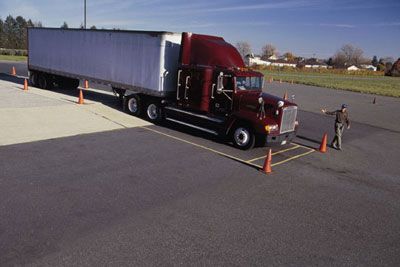 Choosing from among the many available truck driver training schools is a decision that deserves a great deal of time and consideration. The right school can help you achieve your goal of becoming a truck driver more quickly than you might expect, while the wrong school can be a waste of time and money that can set you back months, or even years, on your chosen career path.
With so many truck driving schools available, it can be overwhelming trying to choose the right one, especially if you're not sure what to look for. What follows is a list of some of the most important things you'll want from a program as you learn to become a truck driver.
1. Type of Truck Driver Training
Depending on the type of vehicle you want to drive, you need a specific class of CDL license. If you want to drive a tow truck, bus, or similar vehicle, you need a Class B CDL license, but if you want to drive a long-haul tractor-trailer, you will need a Class A license. The first thing you should find out about any CDL training school is whether or not the training they offer is relevant to the type of license you want to obtain. Even the best CDL training courses won't help if you aren't in the market for that type of trucking job! That should help you narrow down the choices right away, giving you a more manageable list to work with.
2. Program Comprehensiveness
Before taking anything else into consideration, you must find out how much is included in the course. In other words, does the course offer practical training providing on-the-road driving experience, or is the course limited entirely to classroom education? If the latter is the case, the program may not be for you.
Sometimes the courses may include both classroom and practical training but charge separate fees for each. Be sure you know exactly what you are paying for and what is included before signing up for a program.
3. Credentials
As you're checking out various CDL training schools, you may notice that they come with three different types of credentials: some are accredited, some are certified, and others are licensed. They may all sound impressive to you, but you may not understand what they mean or the requirements for each.
When a school meets certain regulations and policies set by the U.S. Department of Education, it becomes accredited. Accreditation doesn't necessarily have anything to do with the school's effectiveness at helping you learn how to become a truck driver. For that, you'd have to look at statistics like the rate of graduates who pass the CDL exam or testimonials from former students.
Certified truck driving schools are overseen by one of the country's top trucking industry organizations, either the Commercial Vehicle Training Association or the Professional Truck Driver Institute. Students at these schools only graduate after meeting standards for the trucking industry set by the U.S. Department of Transportation.
A licensed school has met the minimum facility, curriculum, and training requirements set by the state. It may not be overseen by the CVTA or the PTDI. When choosing a CDL training school, you should look specifically for one that is certified rather than licensed. It may also be accredited, but that should be a secondary consideration.
4. Cost
Enrollment in a truck driving school represents a significant investment, as comprehensive training can cost anywhere from $3,000 to $10,000. However, it may be possible to recoup your upfront expense. Some employers will reimburse you for the cost of your tuition, or in other cases the federal government might cover these costs.
If you're a veteran, find out right away if the school accepts the Post 9/11 GI Bill. Gather the necessary paperwork and file for benefits that could defray some or all of the cost of tuition.
The most important thing is to be wary of any tuition offers that sound too good to be true.
5. Job Placement
The best truck driving schools don't just provide you the necessary training for you to get your license, they also help you to find a trucking job after you graduate. They may partner with trucking companies, whether local or national, or they may offer you personal coaching. Find out what type of job placement services each school offers, and also inquire about their success rates.
6. Location
Some CDL training schools only offer training in certain locations, while others have facilities throughout the country. It is important to find out where the school is located and whether or not you have to travel to get there. If a particular school you want is far away, you'll have to decide whether the quality of the program is worth the commute, or if it's more important to you to attend a school close to home. If your ambition is to drive long distance, commuting to school could be good training in itself. Otherwise, some schools may be willing to arrange accommodations for you at a more convenient location.
Because of the cost to obtain CDL truck driver training, you want to ensure you receive a good return on your investment. Knowing how to hone in on the training facilities which provide the best CDL training courses will help you quickly learn how to become a truck driver and have a successful career.

- Details
- Written by: Kate Williams
So, you’ve been driving trucks for a while and think you may be ready to take the next step in your trucking career. Could you be cut out to become an owner operator of your own trucking company? Gain an understanding of what it takes to act as a successful owner operator to better prepare yourself for a different type of road ahead.
Make Sure You Have Enough Experience
 To have a solid idea of what it truly takes to function as an owner operator, you’ll need to have several years of experience under your belt. That may go without saying, but this step requires taking a long, in-depth look at yourself and your work ethic to determine whether you’ve truly got what it takes to spend your time, money and energy on a trucking company. Be completely honest with yourself.
File for an MC and USDOT Number
One of the first true steps to becoming an owner operator is to have a registered USDOT and Mobile Carrier number. For this, you’ll need to pay a $300 federal filing fee.
Secure Insurance Coverage
Next, you’ll want to take steps to give yourself peace of mind while operating your business, which requires insurance. Besides giving yourself one less thing to worry about, having trucking insurance is a legal requirement. Do some FMCSA research to see if you need a certain type and amount of trucking insurance in your specific state, and the states you plan on driving in. Coverage requirements are often based on the trucking authority you choose, as well as the type of goods you carry.
Decide Whether You’re Better Off Leasing or Buying Trucks
When making the decision to lease or buy trucks, the answer depends on your financial assets. Both lease purchase drivers and owner operators assume the full responsiblity for their business operations. From a purely financial perspective, if you’re looking to save as much money as possible in your business endeavor without cutting corners, you may be more comfortable with leasing. Buying trucks for your company is sure to be one of your biggest expenses.
Also, know that there are lease-to-own options you may be able to look into. One thing to bear in mind with leasing from a trucking company is that you will likely be expected to haul freight for that same company.
Do What You Can To Lower Operational Costs
There are some owner operator costs you simply cannot escape, such as regulation compliance, liabilities and vehicle maintenance. That said, you can take steps to minimize these costs as much as possible. For instance, you can save fuel by sticking to the posted speed limit.
Just like with regular automobiles, unnecessary idling is a waste of fuel and money. Technology is also your friend when it comes to lowering expenditures. Driver scorecards let you know which of your driving habits, such as hard braking and hard cornering, are both unsafe and liabilities.
Something else you can do to reduce your operational costs is to take care of truck maintenance issues as soon as you notice them. You may have freight to deliver or other aspects of your business to take care of, but the success of your operation depends on your trucks. While you may not like the inconvenience of low tire pressure, it’s better than dealing with the many other major issues ongoing low tire pressure can present.
Focus on Your Safety and Work Record
No one will want to do business with you if you have a terrible safety and work record. Potential and current clients alike are more likely to trust you with their business and freight if you show you’re capable of taking great care of both. Every time you get behind the wheel, do everything you can to remain safe on the road and boost your work record. Doing so is one of the easiest ways to make your company more profitable.
Know Your Routes Inside and Out
The better you know your routes, the easier time you’ll have getting to your destinations more efficiently. You also need to know when you can expect heavy traffic on your routes, and you need to know dependable and quick alternate routes, should you ever need a detour. Make sure your truck and load can easily travel on all routes you consider. Finally, keep overall fuel costs and consumption in mind with every route you plan. Taking a shorter route may not do you much good if choosing it means consuming more fuel than you would with a slightly longer route. You’ll have to decide what’s worth your time and money.
Learn Spreadsheets Inside and Out
Sure, you can leave balancing the books to someone else, but this is a good skill for any business owner in any industry to learn. Programs like Microsoft Excel are easier to learn than you realize. The information they reveal let you know if your business is doing as well as you think/hope.
Hopefully, you have a much better idea of whether you’re cut out for becoming an owner operator. Be sure you keep these ideas in mind as you come to a final decision. Best of luck!

- Details
- Written by: Kate Williams
Even with sick leave, paid time off, and other benefits, no one can afford to get sick. For truck drivers, a week off can really impact your bottom line, but it also leaves clients in the lurch and inconveniences your employer. Fortunately, there are many things you can do to keep from getting sick and to be healthier year-round.
Wash Your Hands
 Your mom was right on the best way to avoid passing germs. Wash your hands multiple times every day. Use warm water and soap. Wash for at least 20 seconds and rinse well. It’s a good idea to wash every time you use a public restroom or are just out in public. Use the paper towel to open the door to prevent re-contamination. If you can’t wash your hands, at least use hand sanitizer after you cough or sneeze or are around someone who does.
Use Disinfectant Cleaning Solutions
There is a reason that grocery stores put disinfectant wipes near the shopping carts. Where hands go, germs go. Keep a pack of disinfectant wipes in your truck to wipe down surfaces where multiple strangers have touched. Use the wipes in stores to clean off the handles of carts. Simple steps help you avoid germs because the influenza viruses can live on surfaces for a long time.
Get Vaccinated
The CDC says that the best way to avoid getting the flu is to get vaccinated every year. Although flu vaccines don’t offer total immunity, they do lower your risk of getting the flu and can reduce the symptoms if you do get it. There’s really no way to tell if the flu vaccine prevented an illness, but according to most studies, the vaccine reduces the likelihood of being hospitalized.
Get Your Vitamins and Take Supplements
Vitamin C fuels your immune system. Supplements can help during cold and flu season, but real foods are much better. Eat citrus fruits, berries and greens to keep your immune system working properly all year long.
Vitamin D supports your immune system, too. Make sure to get fatty fish like, tuna or salmon, to have better bone health and reduce your risk of high blood pressure. Many Americans don’t get enough vitamin D. If you do use a supplement, choose one with D3 which interacts with your own system more effectively. Some studies have shown that zinc supplements can help reduce the severity of a cold.
Eat Healthy and Stay Hydrated
Avoiding sugar, caffeine and alcohol can help prevent colds and flu by helping you stay healthy. While you should increase your vitamin C and D intake during cold and flu season, you need to eat right all year long. Choose lean meats instead of fried foods. Eat lots of vegetables and fruits. Make sure to include fiber in your diet. Make sure you drink plenty of water to keep blood circulating through your body, which helps you fight off bacteria and viruses.
Avoid Cigarettes, Cigars and Tobacco
Smoking increases your risk of respiratory infections. Stop smoking to improve your health. Even second-hand smoke can increase your risk of more severe symptoms when you get sick. Tobacco and smoke reduce your ability to fight off infections.
Get Enough Sleep
The benefits of a good night’s sleep go way beyond your immune system. You need sleep to restore your immune system and help fight off germs and viruses. Sleep helps you maintain good blood sugar levels, which is important even if you don’t have diabetes. It reduces stress and helps you fight off cancer. Sleep also reduces your risk of depression and helps the cells in your body repair themselves.
Exercise - Get Moving
Physical activity benefits your immune system and reduces your risk of respiratory infections. Plus, it helps you maintain a healthy weight, which also boosts your immune system. It reduces the risk of heart disease, stress, high blood pressure, certain cancers and type 2 diabetes. Even though you’re on the road a lot, you need to take time to get moving. Try to some kind of physical activity every day, even if it’s just a brisk 15-minute walk.
Reduce Your Stress
There is a connection between chronic stress and physical illness. The more stress you face, the harder it is for your immune system to fight off disease. Find ways to reduce and relieve stress, such as meditation, yoga or prayer. Take time to relax and enjoy your life when you’re away from work. When you do take a break, use that time to do something that gives you joy.
Can You Completely Avoid Getting Sick?
The real secret on how to avoid getting sick? Essentially, you need to remember all those things you learned growing up on how to take care of yourself. Practice good hygiene. Eat healthy. Don’t overdo alcohol. Don’t smoke. You may not be able to completely avoid all germs, but you’ll greatly reduce the likelihood of serious illness that keeps you off the road.
- Details
- Written by: Darin Williams
I’ve been around a while.
When I started recruiting truck drivers for a large Midwest trucking company in the early 1990’s, it was done so with a land-line telephone (not a rotary dial, although I have used one), a pencil, and a pad of paper.
 We had a waiting list of drivers who wanted to come to work for us…no kidding. The internet wasn't used for driver recruiting, and we didn’t use computers to file, store, and organize driver leads. We placed our classified ads in a newspaper on Sunday and then spent the week answering calls. On Mondays, we were like radio DJs who asked for the 100th caller answering phone call after phone call all day long and the calls continued all week long, although they progressively fell off until the process started all over again the next week.
Don’t believe me? Ask the oldest person in your Recruiting Department who you were going to ask what a “DJ” was anyway. They’ll tell you. Times were different. Drivers flipped page by page calling carrier after carrier working their way through digest-size trucking books that were 100+ pages or newspapers that had 12 columns of nothing but driver ads.
Times have changed, huh? The days of being able to talk to that driver one-on-one and have their uninterrupted attention with their full focus on your trucking company alone are not only improbable, but downright unlikely, and the competition for truck drivers is fierce.
So, why are trucking companies refusing to look at some truckers who apply for their trucking jobs?
WHEN DID “MULTI-CARRIER” APPS BECOME A BAD THING?
Somewhere along the line some slick-talking trucking-consultant-types started trying to convince trucking companies that multi-carrier applications were bad….and some people blindly listened and against every fiber of common sense in their trucking brain, believed it.
Can you imagine being the Recruiting Manager at a trucking company who needs to hire drivers and you overhear this conversation from a driver lead you received through a phone call from a newspaper ad?
Recruiter: You’re exactly what we’re looking for and we want to offer you the job right now.
Driver: That’s great, when do I start?
Recruiter: First things first. Did you apply to any other trucking companies when you applied to us?
Driver: Yes, I also did a phone app with three others.
Recruiter: Oh, then never mind. We’re not interested.
At the very least, you would bang your head on your desk. Depending on how bad you need drivers, you might bang the recruiters head on your desk.
Yet, in a time where trucking experts are saying that there is a truck driver shortage of 150,000+ truckers, there are trucking companies who refuse to look at an Internet driver lead if that driver applies to them and has the audacity to apply to another trucking company at the same time. That sound you hear is me banging my head on my desk.
Think about all the trucking companies who make the decision to attend truck shows. They spend thousands and thousands and thousands (get the picture?) of dollars to capture leads. Drivers walk by, grab something free off a table and a Recruiter stands there and scans their badges. All day long. For three days. Do they delete the lead if the driver gets their badge scanned at the booth right next to them? Using the “multi carrier apps are bad” theory, they should.
Drivers use the Internet to apply for truck driving jobs. Convenience and the opportunity to research and apply to more than one trucking company by filling out one application is one of the main reasons they do so. So, while I don’t have the medical training to back it up, I believe the clinical term for people who think “multi-carrier” apps are bad is “wacky."
EMBRACE COMPETITION
Part of what makes a productive driver recruiter is their desire and ability to embrace the competitive market and sell truckers on the benefits of their trucking company while others are doing the same. In short, they have a competitive spirit. If you refuse to even look at a driver who dares to think about applying to you and the trucking company across the street, you don’t have a recruiting department…you have an order processing department and you probably shouldn’t need to advertise at all. But why not embrace that competition and show your product to every truck driver that has an interest in working for you?
The bottom line to all of this is that there needs to be different trucking companies, different truck driving jobs, and different truck drivers to make the world work. Not every driving job fits every driver’s personal needs. Don’t get offended and write off a potential driver hire because they have options. It’s the drivers who don’t have options that you should be steering away from.
Give the multi-carrier application feature a try and I guarantee that you’ll see a better return on your advertising investment. And then who knows…maybe you’ll even have a waiting list.

- Details
- Written by: Kate Williams
 There are many different types of trucking jobs, but deciding which one is right for your particular needs can be difficult.
If you’re considering a change of pace in terms of your career, the trucking industry could be a great match for you. Plenty of different types of driving jobs exist that may appeal to you. See what possibilities are available to better help you find a truck driving job that matches your capabilities.
Types of Truck Driving Jobs
Dry Van Driver
This driving job is far and away the most common type of trucking in the United States, and it’s also the type of hauling where most drivers get their start, moving non-perishable items from one end of the country to another. Dry van hauling is usually done with 53-foot trailers that move everything from canned goods to televisions. Basically, if you can find it in a department store, it’s probably been shipped in a dry van. If you’re worried about lacking the strength or physical capabilities necessary to unload a trailer, not to worry; most of the time, you will not be required to unload a dry van.
Tanker Driver
If you’re in the market for a high paying trucking job requiring more responsibility, you should consider driving a tanker. Rather than non-perishable items and dry goods, you’ll transport liquids,such as fuel, paints, pesticides, or cleaning products, which may be labeled hazardous materials. Hazmat driving is often done in large tanker trucks, Hauling hazardous materials is one of the more dangerous trucking jobs, and it requires a special type of driver who is more skilled and more highly regulated than any other trucker. While driving hazardous materials brings the potential for higher pay and benefits, it requires extensive training and certifications beyond a normal CDL.
Be sure you do your research before applying for tanker jobs so you know what kind of materials you can expect to work with and what endorsements may be required.
Flatbed Driver
When something large, cumbersome, and heavy needs to be hauled, flatbed drivers are called to action. Examples of freight transported may include large windmill wings, industrial machinery like lathes and presses, or manufactured housing. You’ll often see flatbed trailers with “over-sized load” signs and escort cars. The trailers are usually built with a lower profile, giving taller freight clearance to pass under bridges and wires.To excel at this position, you’ll need to know how to tie down your load the right way and familiarize yourself with whatever you’re transporting. Possessing this level of knowledge places you on a higher pay scale, so knowing your stuff can most certainly pay off.
Refrigerated Freight Driver
Food, body products, medicine and meat are examples of items that require a specific temperature during transportation to ensure the goods arrive at their final destination intact. Much like a flatbed driver, you’ll need specialized knowledge to work as a refrigerated freight driver. For instance, you’ll need to know how to check and maintain the truck’s temperature, and you’ll need to how to store your cargo the right way.
OTR/Regional/Local Driver
Maybe one of the biggest reasons you don’t like the idea of being a truck driver is because you don’t feel you’re cut out for spending several days or weeks on the road away from your home and family. As a local driver, your route will keep you either near or in your city. Regional drivers have routes within their state, while OTR drivers drive all over the U.S. There’s plenty of variety for you to explore until you find a route and a trucking company that suits your lifestyle best.
Auto Transporter
Are you interested in moving cars, trucks, and SUVs, using specialized trailers that require specific skills and knowledge to operate? While some automotive hauling involves moving cars to the scrap yard, it can also include shipping brand-new vehicles from the factory to a dealership. With this particular driving job, you’ll have to get used to an entirely different set of turning dynamics compared to other truck drivers. This is because the single- and two-axle trailers used to transport automobiles are longer than other trucks. As an auto hauler, have to complete special training, so you’re well-prepared to operate the hydraulic systems used to load and unload your transporter.
No matter where your skills lie, there’s bound to be something that proves to be a great fit. Apply for trucking jobs online at CDLjobs.com.
- Details
- Written by: Kate Williams
 Driving a truck can be a risky job, and not just because more time on the road means more exposure to risk factors for traffic accidents. The bigger risks are risks to one’s health that come from the physical toll that long hours behind the wheel can take. Drivers face long periods seated, and work long hours. Driving is a physical task, even if it isn’t always one that requires heavy lifting. The constant body awareness and attunement that you need to control a complex vehicle like a semi takes a toll on the body. That’s why the DOT requires a physical to clear drivers for service.
If you’re wondering how to pass a DOT physical, it’s vital that you remember you won’t be able to just cover up serious symptoms if you have a health condition that makes it dangerous for you to be a truck driver. At the same time, there are a few things you can do to maximize your chances of being cleared without a hiccup, too.
Requirements for the DOT Physical
If you’re wondering whether you’re going to pass for your full 2-year certificate, you need to know what numbers the doctor is looking for. Remember, for many of these vital signs, there are tiers of risk. High blood pressure might not sideline you, but it could result in a 1-year or 3-month certificate that requires you to follow up to demonstrate your health is maintaining.
• Blood pressure below 140/90
• Diabetes must be controlled with a physician-approved plan
• A1C Test < 10 percent, at examiner’s discretion
• No current diagnosis of cardiac disease
• If the patient has sleep apnea, a control plan must be in place
• Vision must be at least 20/40 with correction
• Hearing must be good enough to hear a forced whisper from five feet away in at least one ear
Some of these factors are just outside your control, but when it comes to your blood pressure and sugar, following through with a healthy lifestyle can make the difference between your 2-year certificate and a major problem in your professional life. Make sure you know your vitals going into the exam, so you’re not hit with any surprises. The best way to do this is a physical with your own General Practitioner a month or two before your exam is due, to help you make yourself aware of any issues you might encounter.
Tips for Your DOT Physical
Doctors recommend following through with these suggestions during the month leading up to your physical to make sure your baseline health is read accurately. This will make it easier for you to meet the DOT physical requirements without trouble. Failing to follow through on these items might not prevent you from working, but it will make your vitals less consistent, which can have unpredictable results.
• Eat and drink healthy foods for weeks before your exam, avoiding fried foods and alcohol, as well as sugary drinks and overly processed foods. This has a range of positive effects on your blood pressure as well as your sugar numbers and other key vital signs.
• Take all prescribed medications consistently for a full month. Use alarms for reminders if necessary. The more your medication schedule remains constant, the more effective those meds will be.
• Make sure you do not run out of any medications during the month before your exam. Medications can take weeks to stabilize again after withdrawal, and the withdrawal symptoms themselves can push your vitals out of range for the exam.
• Make sure any contact lens or glasses prescriptions are up to date and bring them to the exam.
Other Ways to Streamline Your DOT Physical
Your vital signs aren’t the only thing that could slow down your approval at your DOT exam. If you’re looking for how to pass a DOT physical smoothly and quickly, you also need to know how to keep the system working smoothly as your exam paperwork is processed. Here are some tips to help you ease your way through the system.
• Bring any paperwork you have pertaining to your health conditions, including paperwork that demonstrates your treatment plans for conditions like sleep apnea.
• If you have a history of blood sugar issues, paperwork demonstrating the long-term stability of your sugar levels can also be very helpful to the examiner.
• Documentation of all your medications, especially medications for conditions the exam checks for.
Your Health Is Essential
Remember, one of the biggest reasons for the DOT physical is to ensure you are not taking unnecessary risks with your health. The best way to make sure you pass is to keep a healthy routine and to exercise regularly while you’re on the road. There’s nothing that will help your essential vital signs more than a good diet, regular sleep, and physical activity.
- Details
- Written by: Kate Williams
It’s hard not to stand out when you’re new at something, and usually it’s not in the way you hope. It’s an unfortunate part of starting any new job, but everyone has a learning phase that involves making mistakes. Part of making it to the point where you feel confident in your work is doing the research to make sure you don’t make obvious errors. Here are some rookie truck driver mistakes you can easily avoid with a little planning.
Overconfidence

The biggest mistake anyone makes when starting a new venture is overconfidence, and drivers with a new CDL are no exception. It’s easy to get excited because you’ve earned your certification, but it’s also easy to think that makes you an expert when you are actually a beginner.
The requirements for your CDL are the minimum knowledge you need to be safe on the road under normal conditions. There are a lot of times conditions aren’t normal, and you need to be humble about getting advice and help when that happens. You also need to be humble about the level of knowledge you have about the business—driving a truck involves a lot more than just driving the vehicle, and it takes time to understand those processes at any trucking companies you join.
Failing to Filter Out Noise
Another big mistake that beginners make is listening to too much advice. There are a lot of opinions out there about the best way to approach the truck driving profession, but not all of them offer productive solutions. Finding the voices you can trust involves developing a good filter for bad information, and that can take time.
The best way to steer around bad advice is to stick to getting your information from sources you can verify, like the CDL Jobs information sites, employer materials, and DOT guidelines. Once you make a couple friends in an organization, they can also help you with the culture as you get used to your new job’s processes.
Neglect for Safety
New drivers aren’t the only ones who often neglect safety protocols, but new truck drivers tend to be the ones who get into the most trouble for it. Partly, that’s because more experienced drivers learn to cut corners in ways they aren’t going to get caught.
Another reason why rookies tend to have spectacularly visible safety issues when they cut corners is because they don’t know which corners are high-risk yet when they cut them. No one should neglect safety protocols, but the difference between an experienced driver doing it and a rookie doing it is that most of the time, the experienced driver knows whether they are taking a calculated risk or an incredibly off-the wall long-shot one.
The best advice for any new driver is to start your sound habits early and don't cut any corners. Following every safety precaution every time you are out is the best way to avoid this. It might not be convenient, but the trouble it saves you is well worth the extra time it takes to get on the road when you’re following all the right procedures.
Neglecting One’s Health
Truck driving is a demanding job, both physically and mentally. Drivers need to be able to cover a lot of ground quickly to make their money, and it’s easy to forget to eat healthy and exercise regularly regularly. It can also be tempting to skimp on sleep when you’re driving a lot, to maximize road time without compromising on personal correspondence or necessary stress relief.
These choices might seem like good ideas in the short term, but they add up, and deciding to sacrifice your own comfort and well-being can become a habit. When it does, drivers typically wind up having trouble with their physical exams, leading to plenty of drivers being sidelined when they could have avoided it.
Lacking the Organization and Financing to Launch
If you get your CDL and go to work for a trucking company, this is less of an issue because you’ll learn that company’s processes as you train into the job. That can offset a lot of personal disorganization by giving you a good system. It also takes the financial burden off you when it comes to freight bills. If you want to become an Owner Operator right away, though, do your research as it can be easy to underestimate the working capital you will need to keep on hand.
Just because you are a new truck driver doesn’t mean you have to make mistakes like one. By learning to listen to your supervisors and following all safety protocols, you can avoid these common rookie truck driver mistakes.
- Details
- Written by: Kate Williams
Truck drivers spend multiple days in a row on the road. It is easy to get in the habit of just going to one of your favorite truck stops and eating whatever fast food happens to be available. However, constantly eating greasy food and drinking soda is not good for anyone’s health. Fortunately, healthy meal prep for truck drivers is easier than you may imagine. Keep the following tips in mind so that you can safeguard your health while on the road.
Eat Small Portions
A big part of staying healthy on the road involves the amount you eat. You need to control your portion sizes, so you consume fewer calories and carbs. Your biggest meal of the day should be breakfast so that you have plenty of energy to start your day. From there, you want smaller meals throughout the day. Dinner should be your smallest meal, and you should avoid eating right before going to bed.
As a truck driver, it is paramount to get a good night’s rest so that you do not become a danger on the road. This also involves avoiding any caffeinated beverages during the evening.
Stock the Cab With Healthy Snacks
 Although breakfast, lunch and dinner are important, it is natural to get hungry in between meals. Instead of stopping at a gas station for a bag of chips, you should keep your truck stocked with healthy snacks you can enjoy throughout the day. Some great healthy snacks for truck drivers include:
- Low-fat yogurt
- Vegetables and hummus
- Low-fat string cheese
- Fruit
- Popcorn
- Whole-grain crackers
- Unsalted mixed nuts or almonds
- Trail mix
- Beef jerky
You always want to check the label. Some brands of yogurt or nuts may seem healthy, but they actually pack a ton of salt or sugar.
Drink Water Instead of Soda
Instead of having a Big Gulp in your truck, you should have a large water bottle. Drinking soda and juices will add on extra, unnecessary calories. The problem with drinking sugary drinks is that your body does not process them as well. Your body doesn’t feel full, so you will be hungrier when dinnertime comes around. With water, your stomach gets fuller quicker. This allows you to eat smarter and healthier for the rest of the day.
Have a Nutritious Breakfast
 Your trucker food list should include everything you need to have a healthy breakfast. As your first meal of the day, you want to be certain you are getting enough calories and nutrients to wake you up and get you going to be alert when you are on the road. Instead of starting your day at a restaurant with eggs, sausage, and bacon, you can keep healthy options in the truck. Some great options include:
- Protein bars
- Whole-wheat toast with peanut butter
- Oatmeal with fruit and high protein greek yogurt
- Hard boiled eggs
It is key to avoid sugar first thing in the morning, since that is a good way to crash halfway through the day. And of course, we would expect a truck driver breakfast to include some coffee. While coffee gets some negative press, in moderation, caffeine can help to improve mental alertness and mood, as well as increase your metabolic rate and improve fat burning.
Eat a Healthy Lunch
Lunch should be smaller than breakfast. Instead of making a pit stop, you can pack all the ingredients you need in a cooler. Here are a few examples of some quick and easy lunches you can prepare. Additionally, since you are making them yourself, you can better control your caloric intake.
- Salads - Don't limit your thinking to the stereotype of plain iceberg lettuce and ranch dressing. On the road, prepping a variety of salad-in-a-jar type lunches is easy and nutritious.
- Grilled vegetables and black beans
- Turkey taco meat with rice, corn, beans, and Pico de Gallo
- Chicken fajita lunch bowls
- Sandwiches - Yes, sandwiches sound boring but mixing things up with a wrap or a pita every few days can spice things up some.
- Thai turkey lettuce wraps - Prep your seasoned meat with onions, garlic, carrot, celery, shredded zucchini or whatever you like in advance before you depart. When lunch rolls around, heat up your meat mixture, spread onto a sturdy Romaine lettuce leaf and enjoy!
- Chicken Pita Pockets - Roast your cubed chicken thigh or breast with your choice of vegetables - peppers, onion, mushroom, squash. Cook and cover with pesto. To assemble, use a sturdy pita that won't fall apart when filling or sub in a whole-wheat tortilla to rollup.
- Peanut butter and jelly - Don't laugh; once in a while, a classic pb&j can be very satisfying. As grown-ups, we may use a healthier whole grain bread and a natural nut butter, but it may be just what you didn't know you were craving.
With some planning and preparation, these home-prepped items are much healthier than what you will get at a fast food restaurant. Additionally, since you are making them yourself, you can better control your caloric intake.
Finish With a Healthy Dinner
There are plenty of great, healthy meals to cook in the truck. Meal prepping for the week is a big help, and you should be able to heat it up easily with a slow cooker or hot plate. The best part is that you do not have to sacrifice taste. You can prepare pork chops, beef stew, barbecue chicken and pot roast ahead of time. Prepare yourself a side of beans or vegetables as a healthy alternative to fries. You could even go for a low-sodium soup. You may be on a tight schedule, but you should eat dinner well before you go to bed.
You can still eat out from time to time when you are on the road. However, you should typically choose healthier options, such as a salad, to avoid eating too much. With a little forethought and preparation, you can drastically improve your health. It may take some getting used to, but once you get in the habit of preparing your own meals as a truck driver, it will soon become second nature.

- Details
- Written by: Kate Williams
Here are a few random trucking trivia items that may shock you.